
Neurodivergent-Affirming Psychology
For You Psychology provides neuroaffirming psychological intervention for Autistic people and ADHDers across childhood, adolescence and adulthood.
Our approach recognises neurodevelopmental differences while providing psychological support for areas that may affect wellbeing, participation, relationships or everyday functioning.
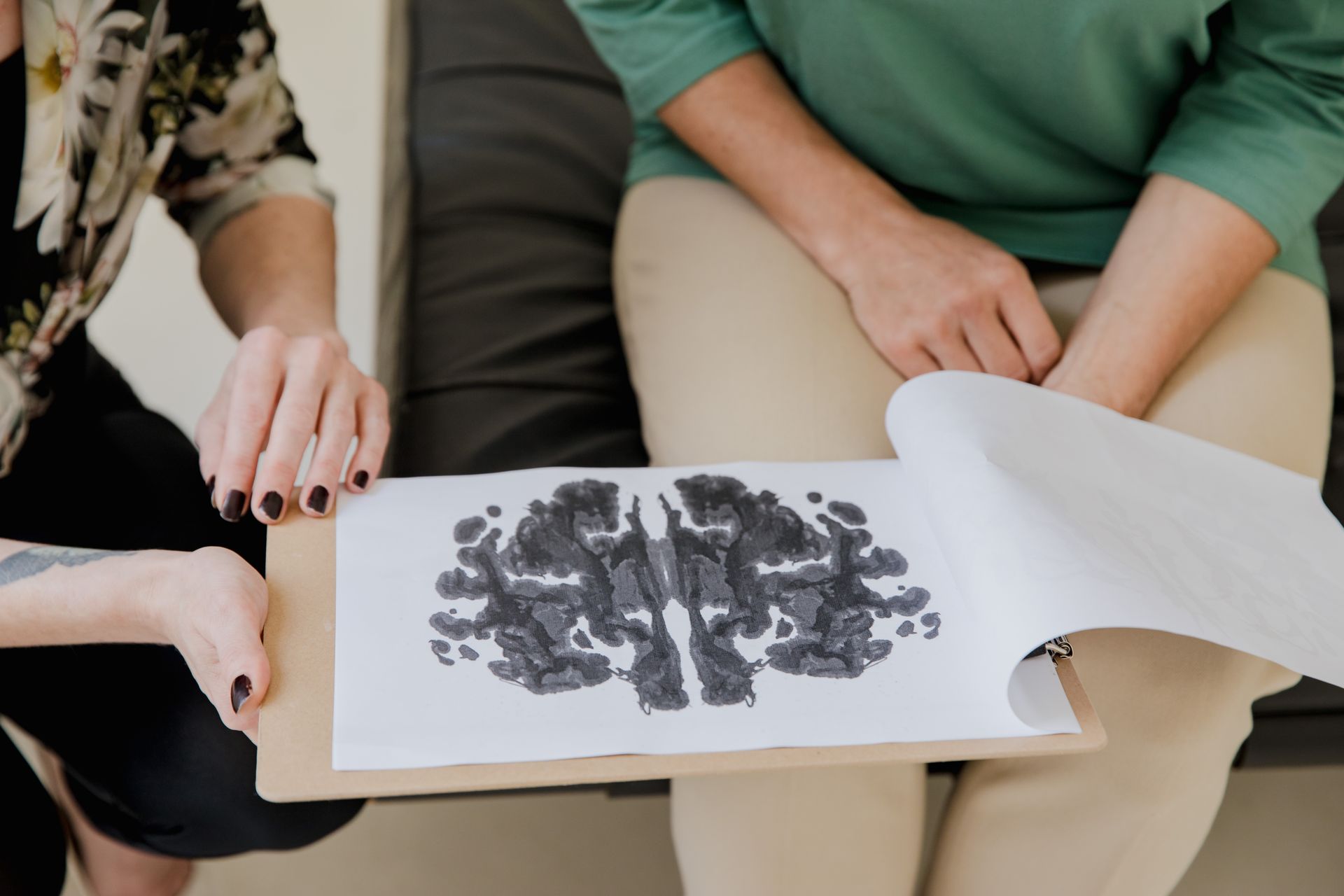
Areas of Intervention
Psychological support may address:
Clinical Approach
Intervention takes account of the person’s neurodevelopmental profile, communication preferences, sensory needs, cognitive style, developmental stage and environmental context.
Where appropriate, intervention may also include work with parents, caregivers or other systems around the individual to support appropriate expectations, accommodations and environmental changes.
In-Person and Telehealth Appointments Available
Neuroaffirming psychological support is available both in person and via Telehealth. For some clients, accessing therapy from a familiar environment may reduce the sensory, organisational or travel demands associated with attending appointments in person.
The most appropriate mode of service delivery is considered according to individual preference and clinical needs.

In-Person and Telehealth Appointments Available
Neuroaffirming psychological support is available both in person and via Telehealth. For some clients, accessing therapy from a familiar environment may reduce the sensory, organisational or travel demands associated with attending appointments in person.
The most appropriate mode of service delivery is considered according to individual preference and clinical needs.